
Best SUV Rental United States: Fleet Sizing & SUV Contract Audits
Navigating the multi-passenger utility vehicle market across the American rental ecosystem requires analyzing complex platform logistics rather than evaluating initial daily rates alone. Airport counter concessions, regional suburban branches, and peer-to-peer fleets deploy dynamic pricing models, unbundled daily fees, and variable vehicle class assignments. Unexpected financial exposure occurs when drivers overlook localized facility recovery taxes, secondary driver charges, or strict off-paved-road operation exclusions.
Procuring a sport utility vehicle for long-distance highway travel or winter mountain passage involves evaluating drivetrain capabilities, interior cargo volumes, and regional safety mandates. Unintended expenses emerge when baseline reservation quotes omit facility charges, toll transponder markups, or rigid cross-border operation policies. Developing a structured audit approach protects travelers from sudden mechanical liabilities and unexpected final invoice surcharges.
Structuring an effective vehicle procurement model demands a comprehensive understanding of fleet dynamics, platform billing mechanics, and legal protections. Travelers benefit from auditing contract terms, vehicle drive systems, and physical body conditions prior to taking possession of large utility assets. This manual details the operational errors, contractual nuances, and risk mitigations governing utility vehicle rentals across the country.
Understanding “best SUV rental united states”
Defining Utility Mobility Superiority
Determining the best SUV rental united states option requires balancing passenger seating needs, cargo capacities, drivetrain performance, and transparent contract pricing. Selecting an appropriate vehicle class depends on planned travel routes, regional weather hazards, total passenger counts, and luggage volumes. Travelers often mistake low advertised daily quotes for true economic value and operational safety.
Unmasking Fleet Classification Pitfalls
Initial online reservation displays regularly categorize crossover vehicles under generic SUV headings, confusing clients seeking traditional body-on-frame utility trucks. Compact crossovers lack true four-wheel-drive low-range systems and cabin space required for multi-passenger mountain expeditions. Complete transaction control requires auditing vehicle engine specifications, seating arrangements, and drive systems before confirming reservations.
Matching Drivetrains to Regional Terrain
Choosing an unsuited drivetrain introduces severe physical discomfort and safety hazards on challenging mountain roads or icy highways. Front-wheel-drive crossovers struggle on steep, snow-covered grades, while full-size four-wheel-drive trucks consume substantial fuel during city travel. Proper alignment matches engine torque, ground clearance, all-wheel traction, and interior ergonomics with planned travel paths.
Deep Contextual Background
Historical Evolution of Utility Fleets
Utility vehicle availability evolved from niche commercial work truck categories into dominant consumer preference tiers over past decades. Major corporate rental operators expanded SUV inventory allocations to meet growing demand from family vacationers and outdoor enthusiasts. Over time, fleet managers introduced diverse vehicle sub-categories, ranging from subcompact crossovers to luxury flagship models.
Dynamic Fleet Sizing and Inventory Management
Digital booking engines introduced price visibility that reshaped consumer reservation behaviors across major travel hubs. Rental companies responded by deploying real-time dynamic inventory algorithms to manage localized SUV allocations efficiently. Daily rates now adjust automatically based on airport arrival volume, mountain weather forecasts, holiday travel surges, and local inventory balances.
Platform Expansion in Modern Markets
Changing vehicle manufacturing costs, supply chain shifts, and software integrations continue reshaping consumer transit choices nationwide. Modern travelers select between traditional airport fleets, suburban neighborhood branches, peer-to-peer sharing networks, and long-term vehicle subscriptions. Digital platforms decentralize asset distribution, changing how drivers inspect, collect, and return utility vehicles.
Conceptual Frameworks and Mental Models
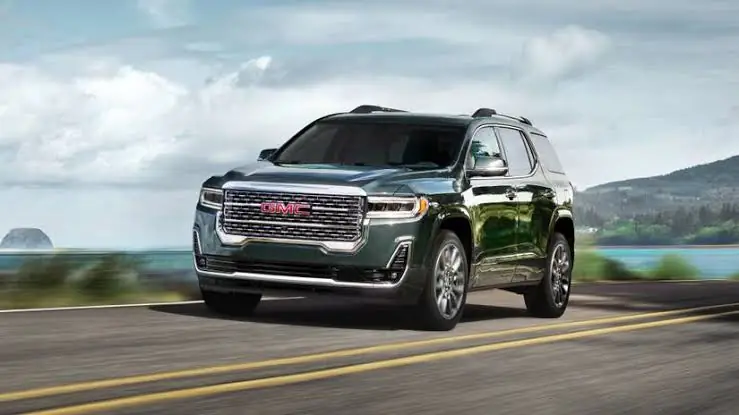
Total Cost of Utility Mobility
Evaluating utility vehicle options requires calculating every operational expense rather than comparing base daily rates alone. Drivers must account for higher fuel consumption rates, toll highway passes, hotel parking surcharges, and secondary insurance riders. Combining these operational variables reveals the actual expense per mile driven during extended journeys.
Terrain-to-Drivetrain Matching Framework
Balancing drive system capabilities against route terrain hazards prevents dangerous vehicle strandings during severe weather events. Selecting true four-wheel-drive systems with low-range transfer cases provides traction on unpaved mountain roads and deep snow. All-wheel-drive crossovers offer sufficient stability for wet highway commuting while maintaining reasonable fuel economy.
Exposure-to-Coverage Equilibrium
Assessing insurance coverage determines whether personal auto policies, credit card protections, or counter waivers offer adequate financial defense for large utility vehicles. Standard credit card policies often exclude high-value full-size SUVs or full-frame utility trucks entirely. Primary counter waivers eliminate direct out-of-pocket liabilities during multi-state mechanical or accident emergencies.
Key Categories or Variations
Utility Vehicle Segment Classifications
Strategic Fleet Selection
Selecting among utility vehicle segments requires evaluating route geographic features, passenger seating counts, and luggage requirements. Long-distance highway cruising favors smooth-riding mid-size crossovers with advanced driver-assistance features. Alpine winter trips demand true four-wheel-drive vehicles equipped with snow-rated tires and high ground clearance.
Detailed Real-World Scenarios
Alpine Ski Resort Transit
Families traveling to mountain ski resorts face winter traction enforcement laws and steep, icy mountain passes. Compact front-wheel-drive sedans risk losing traction on frozen inclines, causing severe travel delays and safety hazards. Reserving true four-wheel-drive utility vehicles ensures compliance with state winter traction mandates and guarantees safe alpine travel.
Multi-State Family Road Trip
Driving long distances across multiple states with several passengers demands extensive luggage capacity and interior cabin space. Compact utility vehicles force passengers to store bags inside seating areas, creating cramped and uncomfortable travel conditions. Full-size three-row utility vehicles provide dedicated cargo space behind third-row seats, preserving passenger legroom.
National Park Backcountry Exploration
Exploring unpaved access roads in national parks requires adequate ground clearance and durable tire sidewalls. Low-slung passenger sedans risk scraping undercarriage oil pans on exposed rocks or deep rutted paths. Selecting mid-size or full-size utility trucks provides necessary clearance for safe rural travel.
Planning, Cost, and Resource Dynamics
Direct vs. Indirect Expense Factors
Streamlining Planning Decisions
Spending excessive hours analyzing minor price differences across booking engines yields diminishing financial returns for travelers. Drivers should establish firm reservation rules and use automated rate tracking tools to optimize planning efficiency. Streamlining booking decisions protects mental energy during complex travel preparation.
Tools, Strategies, and Support Systems
Automated Rate Monitoring Tools
Digital price tracking platforms monitor utility vehicle reservation rates continuously after initial booking setup. When market prices drop, these applications alert travelers to rebook reservations at lower daily figures. Automated tracking secures cost savings without requiring manual web searches.
Credit Card Policy Verification
Leveraging credit card insurance coverage avoids purchasing expensive counter collision damage waivers. Travelers must confirm that card issuers cover large utility vehicle categories without weight or value exclusions. Declining the rental agency’s optional coverage remains mandatory to activate card benefits.
Comprehensive Media Inspections
Capturing detailed video footage during vehicle collection prevents unfair damage claims upon return. Drivers should record wheels, roof panels, undercarriage edges, and interior upholstery under clear lighting. Time-stamped visual records resolve post-rental charge disputes effectively.
Risk Landscape and Failure Modes
Unpaved Road Contract Violations
Driving rental utility vehicles on unpaved public roads often violates standard rental contract terms instantly. Rental agencies track vehicle locations using internal GPS telemetry units that flag off-road movements automatically. Contract breaches void all insurance coverage, leaving drivers personally liable for towing and repair costs.
Excessive Fuel Expense Accumulation
Renting large, full-frame utility trucks for extended city driving results in unexpectedly high fuel expenses. Heavy multi-passenger vehicles suffer low miles-per-gallon figures during stop-and-go urban commuting. Evaluating expected fuel consumption against planned route miles prevents budget overruns.
Height Clearance Overhead Damage
Parking large utility vehicles in low-clearance urban garages risks severe roof panel and satellite antenna damage. Standard collision waivers frequently exclude overhead vehicle damage caused by driver carelessness. Checking garage clearance signs before entry prevents costly vehicle repairs.
Governance, Maintenance, and Long-Term Adaptation
Pre-Departure Vehicle Audits
Before driving off rental lots, drivers must complete systematic mechanical inspections. Checking tire tread depth, wiper blade condition, headlight operation, and fluid levels prevents highway breakdowns. Identifying dashboard warning lights at pickup allows immediate vehicle replacements.
Essential Operational Checklist
-
Contract Verification: Confirm paper agreements match digital rate quotes before signing.
-
Tire Health Check: Inspect tire tread depth and check sidewalls for cracks or bulges.
-
Drive System Identification: Locate four-wheel-drive engagement switches and controls before driving.
-
Refueling Route Planning: Identify open gas stations within five miles of return facilities.
Measurement, Tracking, and Evaluation
Quantitative Performance Metrics
Travelers evaluate ground transportation efficiency by calculating total expenses per mile driven. Adding daily rates, fuel receipts, parking fees, and toll charges provides clear financial metrics. Comparing historical trip figures highlights long-term spending patterns.
Qualitative Signal Assessment
Evaluating service quality balances financial metrics against operational convenience during long drives. Fast vehicle collection, clean cabins, clear billing, and prompt customer support define top-tier providers. Tracking qualitative experiences helps refine future vendor selections.
Expense Recordkeeping
Maintaining digital copies of rental contracts, fuel receipts, and return slips protects against delayed charges. Storing records in organized cloud folders simplifies business expense filing and personal budget audits. Retaining records for several months protects against unexpected toll fines.
Common Misconceptions and Oversimplifications
Myth: All Utility Vehicles Have Four-Wheel Drive
Many rental crossover vehicles feature front-wheel-drive systems designed for fuel efficiency rather than off-road traction. Assuming every utility vehicle handles deep snow or mud leads to dangerous strandings. Verifying drive system controls on dashboard consoles confirms actual four-wheel-drive capabilities.
Myth: Credit Cards Cover All Utility Vehicle Rentals
Credit card issuers regularly exclude full-size utility trucks, luxury SUVs, or vehicles exceeding specific weight thresholds from coverage. Relying on card benefits without checking policy terms leaves drivers exposed to massive financial losses. Auditing card policy exclusions prior to travel prevents coverage gaps.
Myth: Crossovers Offer Massive Cargo Capacity
Compact crossovers often provide no more cargo space than standard mid-size sedan trunks when seating five passengers. Loading multi-passenger luggage into small crossover cargo areas blocks rear visibility and creates safety hazards. Selecting mid-size or full-size utility vehicles ensures adequate storage space.
Ethical, Practical, or Contextual Considerations
Environmental Impact Considerations
Operating large multi-cylinder utility vehicles generates higher carbon emissions compared to compact sedans. Selecting hybrid or electric crossover models reduces total fuel consumption and environmental impacts during long drives. Evaluating eco-friendly fleet options balances utility needs against carbon footprint goals.
Regional Driving Regulations
Driving rules, winter traction mandates, and vehicle size restrictions vary across state lines and municipal districts. Alpine highways enforce strict tire chain regulations during snowstorms, penalizing non-compliant drivers heavily. Researching local transit laws ensures regulatory compliance throughout trips.
Conclusion
Controlling ground travel expenses requires balancing baseline rates against contract terms, risk protections, and operational logistics. Drivers who audit hidden fees, inspect vehicles thoroughly, and optimize insurance coverage avoid expensive operational problems. Systematic analysis ensures reliable ground transportation across any itinerary.